
Dunn County Board candidate for District 9: Tom Quinn
PROTECTED CONTENT
If you’re a current subscriber, log in below. If you would like to subscribe, please click the subscribe tab above.
Username and Password Help
Please enter your email and we will send you a password reset link.


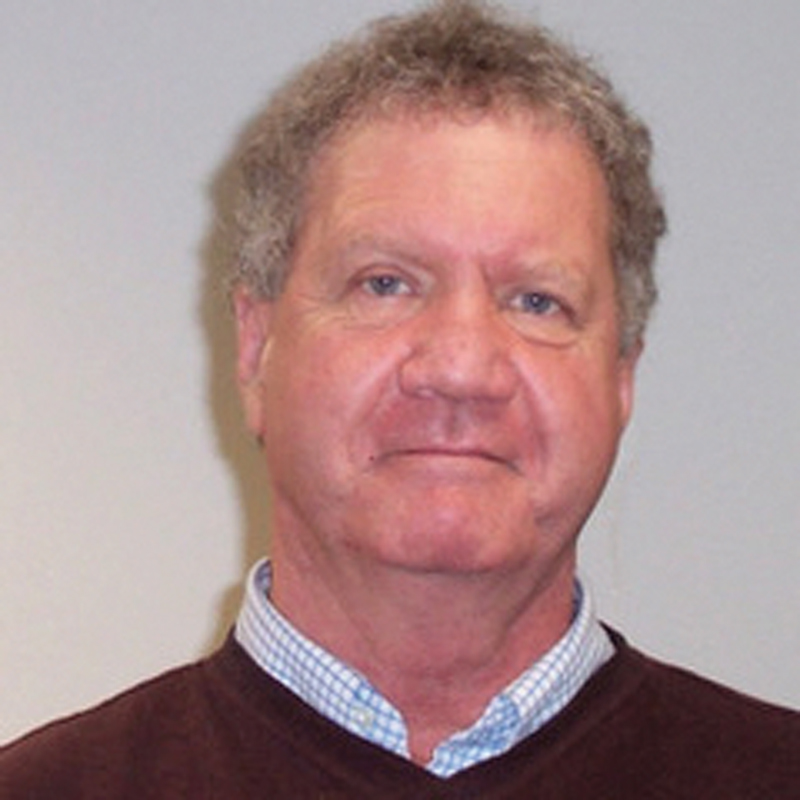
TOM QUINN
GLENWOOD CITY — Dunn County Board incumbent for District 9, Tom Quinn of Downing, will face challenger James Chich of Knapp in the April 5 election.
Quinn, age 74, is married to his wife, Helen, and they have two adult children, Joe and Tracy, along with five grandchildren ages 6 to 11. They have lived in the Downing area for over 50 years.
Quinn retired three years ago from his position as executive director of the Wisconsin Farmers Union. His first job in this area after college was as a fieldman for the Connorsville Cenex Co-op.
Quinn and his family also farmed for a number of years.
He attended high school in Redwing, Minnesota, and then attended the University of Minnesota.
The Glenwood City Tribune sent out candidate questionnaires, and here are Quinn’s answers.
• Why did you decide to run again for this position on the Dunn County Board?
I have always had a commitment to community involvement and have worked with numerous community organizations over the years, including nine years on the Glenwood City school board, the G.C. School Foundation, Dunn County Economic Development Board, and Dunn County Land Conservation Committee. I believe strongly in the importance of local democracy and understand that serving on the County Board is great honor. As a committee chair, I have been able to initiate several projects that have engaged members of the public in developing county policies and programs. I think this kind of direct citizen involvement is essential to open government and I want to continue this work.
• What do you believe to be the two biggest issues facing Dunn County?
Dunn County will be facing some major budget and financial issues in the next two years. Over the past several decades the state government has limited the ability of counties to fund basic services. The combination of rising costs and limitations on revenue means that we will need to set clear priorities on what programs are most important to our citizens and make tough decisions on how we can provide adequate support and resources for our staff to carry them out.
I am especially concerned with maintaining the quality of life and services in our small towns and rural areas. This includes concerns about groundwater quality, broadband access, providing good roads, maintaining our rural ambulance service, supporting our base of diversified farms, and more.
• How would you go about addressing those issues?
Addressing budget and financial concerns starts with having a process for open discussion and honest dialogue between the board, administration, and staff – with full visibility to the public. For the past two years the county has started the budget process early in the Spring with a special workshop that allowed board members, and the public, to review the key decisions. We need to expand this process. At the same time, there is a need to work with other rural counties to convince state legislators of the need to rebalance the financing process for county government and provide adequate resources to meet basic needs.
Dunn County has initiated several programs that focus on rural and small town life. These include a plan to establish a voluntary groundwater testing program to monitor drinking water quality in private wells and a broadband expansion program in partnership with rural towns. The County Land Conservation Department initiated two of Wisconsin’s first farmer-led watershed programs to support farmer leadership in soil health practices. We need to expand these efforts and add a similar program for small and mid-sized farmers who are using managed grazing practices to produce and market meat animals. While Dunn County doesn’t directly support rural ambulance service, we need to push our state association to take a more active role in supporting the needs of rural towns. Roads need to be a budget priority.
• Anything else you would like voters to know?
The most important ingredient in local government is trust. Board members can disagree, need to disagree, but without trust it will be very difficult to find common ground on tough issues. I am proud of our rural community. My kids were born here, went to school, learned valuable life lessons. If I am elected as a county board member I will always try to build the trust we need to work together.
