
Dunn County Board candidate: Tom Quinn


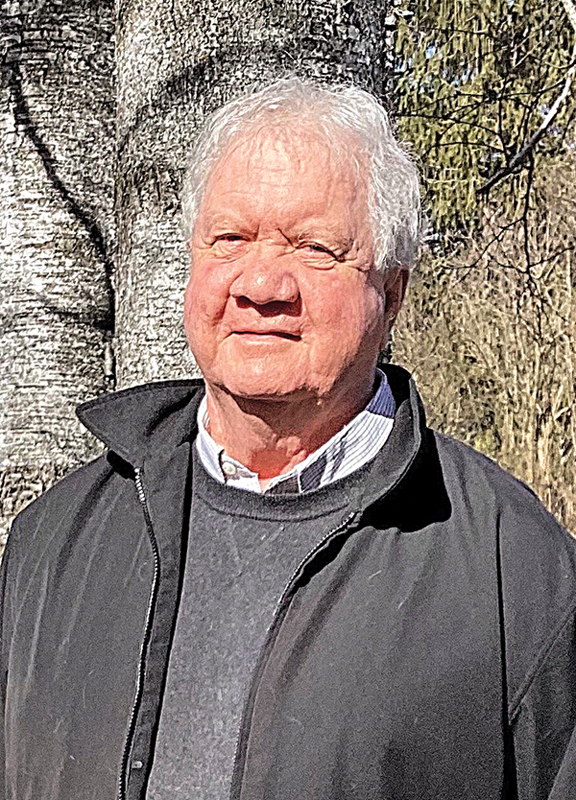
Tom Quinn
GLENWOOD CITY — Incumbent Dunn County Board supervisor for District 9, Tom Quinn, will face challenger Karl Hackbarth in the April 2 election.
Quinn, age 76, of Downing, says that he and his wife, Helen, have two adult children, Joe and Tracy, and five grandchildren ages eight to 13.
The Quinns have lived in the Downing area for over 50 years.
The Tribune Press Reporter sent a questionnaire to the candidates.
Here are Quinn’s answers.
• What is your occupation?
I retired five years ago from my position as Executive Director of the Wisconsin Farmers Union. My first job in our area after college was as a fieldman for the Connorsville Cenex Co-op. We also operated a dairy farm for a number of years.
• What is your educational background?
I attended high school in Red Wing, Minn., and then the University of Minnesota.
• Why did you decide to run for re-election to the Dunn County Board?
I have always had a commitment to community involvement and have worked with numerous community organizations over the years, including nine years on the Glenwood City school board, the G.C. School Foundation, Dunn County Economic Development Board, and Dunn County Land Conservation Committee. I believe strongly in the importance of local democracy and understand that serving on the County Board is great honor. As a committee chair, I have been able to initiate several projects that have engaged members of the public in developing county policies and programs. I think this kind of direct citizen involvement is essential to open government and I want to continue this work.
• What do you believe to be the two biggest issues facing Dunn County?
Dunn County was actually able to cut its property tax levy rate this year, but we will continue to face major budget issues in the future. This is especially true as costs for key areas like highway maintenance have soared. We have also made long-term capital investments in services such as the Neighbors of Dunn County skilled nursing facility, which has strong support from our citizens. These projects use long-term, low interest financing and this has raised our county debt level. While this a very manageable level of debt, it will be prudent for us to plan for reducing our debt level over time, and keeping it at a lower level, as these projects are paid off.
I am especially concerned with maintaining the quality of life and services in our small towns and rural areas. This includes concerns about groundwater quality, broadband access, providing good roads, maintaining our rural ambulance service, and supporting our base of diversified farms. Also, the county completed a housing study last year that showed an alarming shortage of affordable housing and home ownership opportunities.
• How would you go about addressing those issues?
For the past four years the county has started the budget process early in the Spring with a special workshop that allowed board members, and the public, to review the key decisions about needed capital expenditures and to develop a plan for lowering our debt level over time. This also allows us to identify and plan for future capital costs (for example, the need for an expanded Highway Dept. shop). We should continue this process.
Dunn County has initiated several programs that focus on rural and small town life. Last year the county completed a voluntary groundwater testing program to monitor drinking water quality in private wells and a broadband expansion program in partnership with rural towns, with almost 1,000 wells tested. These programs should continue. Dunn County Land Conservation Department initiated two of Wisconsin’s first farmer-led watershed programs to support farmer leadership in soil health practices. We need to expand these efforts and add a similar program for small and mid-sized farmers who are using managed grazing practices to produce and market meat animals. I serve on the county Housing Taskforce which is bringing stakeholders together to identify strategies to support expansion of housing and home ownership opportunities.
• Anything else you would like voters to know?
The most important ingredient in local government is trust. Board members can disagree, need to disagree, but without trust it will be very difficult to find common ground on tough issues. I chair the Planning, Resource and Development committee and at virtually every meeting we have citizens attend and contribute to the discussion. I am proud of our rural community. My kids were born here, went to school, learned valuable life lessons. If I am elected as a county board member I will always try to build the trust we need to work together.
